This escalating demand is
reshaping global talent pipelines. Countries are streamlining visa regimes and
relaxing job-offer requirements to secure health workers at scale. The
migration of Indian healthcare professionals is a key part of this equation,
fuelled by demographic advantage, strong foundational education, and cost-effectiveness.
India is already a major contributor to the
global healthcare workforce. Indian professionals are now a critical part of
many destination-country health systems, with 59K Indian doctors in the US and
67.5K Indian nurses in the UK.
Exhibit 2 : Indian nurses migration to OECD countries has grown at a 40% CAGR for 2017-21 with UK and USA being the most common destination
Exhibit 3: Existing Indian registered doctors
and nurses in the USA and UK in 2025
Present scenario of healthcare workforce in
IndiaIndia’s healthcare and pharmaceutical sectors
currently employ over 9M professionals, as per the Praxis Employment Model. Of
this, approximately 26% are nurses, 25% are support staff, 4% are engaged in
pharmaceutical sales, and the remaining 45% occupy white-collar clinical and
technical roles. However, this workforce remains significantly undersized for
the country’s growing healthcare needs. According to WHO and FICCI estimates,
India will require an additional 2.4M doctors and 5.3 M nurses by 2030. This demand highlights the urgent need for scalable, workforce- aligned skilling models that combine practical training with clinical readiness.
Creating a skilled and globally aligned
healthcare workforce in India
Beyond catering to the domestic demand, India
also has the potential to become a global talent hub for healthcare
professionals. Yet, the current skilling ecosystem is not fully equipped to
support domestic needs and international mobility requirements. Fewer than 10%
of India’s nursing graduates are considered migration-ready, and less than 5%
receive the required training in licensing processes, language proficiency, or
simulation-based clinical scenarios, key requirements for global placements.
Meanwhile, destination countries are actively
easing migration pathways to attract healthcare talent. For instance, Germany’s
new visa scheme waives the job-offer requirement for Indian professionals, and
Canada’s Express Entry system invited over 500 Indian nurses in 2025 alone.
This global demand presents a strategic opportunity for India, if its training
ecosystem can evolve to match global benchmarks in quality, certification, and
readiness. A globally aligned upskilling framework will not only boost outbound
mobility but also create a positive spillover effect, strengthening India’s
domestic healthcare ecosystem through higher-quality talent and practices.
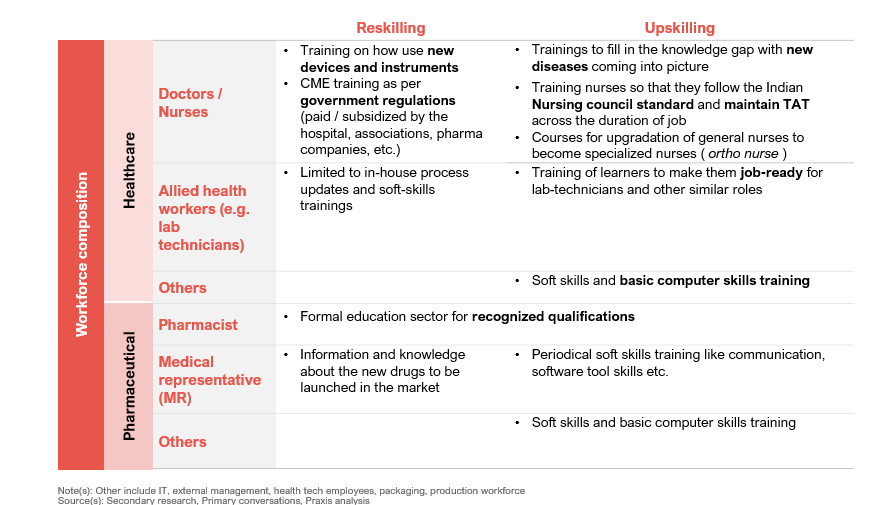
Exhibit 4: Specialized skills present key
opportunities for external training solutions
India’s healthcare and pharmaceutical workforce
is undergoing a critical shift in skill requirements, driven by rapid
advancements in medical technology, evolving disease patterns, and increased
regulatory scrutiny. Across both segments, reskilling efforts are largely
centered on familiarizing professionals with new devices, clinical protocols,
and drug knowledge, while upskilling is focused on bridging knowledge gaps and
enhancing job-readiness through specialization programs and soft skills
training.
However, much of the reskilling among allied
health workers and ‘others’ is still limited to in-house process updates, and
digital literacy remains a key area of focus, with basic computer skills training now a common intervention across segments.
How
can Praxis help?
These
shifts present both a challenge and an opportunity. As global healthcare
systems increasingly compete for talent, India has a window to position itself
as a reliable source of high-quality, globally deployable professionals.
However, realizing this potential will require targeted interventions across
the skilling lifecycle, from curriculum redesign and certification alignment to
enabling real-world readiness through digital simulation, language proficiency,
and cross-border licensing support.
At Praxis, we support clients in understanding
and adapting to healthcare workforce trends by identifying skilling
opportunities. Through our talent-mapping frameworks and insights on
cross-border workforce models, we also help clients explore pathways to build
export-aligned talent pipelines. Whether you're a healthcare provider, edtech
platform, or policy stakeholder, we work with you to shape practical,
future-oriented strategies.